
Bad hair days. Excessive shedding. Dryness. Frizz. Breakage.
Hair problems are frustrating. Especially when you’re trying everything but nothing seems to work.
The truth? Most people are making basic hair care mistakes without realizing it. Over-washing. Using the wrong products. Heat damage. Tight hairstyles.
Good news: healthy hair isn’t about expensive products or complicated routines. It’s about understanding YOUR hair and giving it what it needs.
Understanding Your Hair Type
Step one: Know your hair.
Texture:
- Straight (Type 1): No curl pattern
- Wavy (Type 2): S-shaped waves
- Curly (Type 3): Spiral curls
- Coily (Type 4): Tight coils/zig-zag pattern
Density:
- Fine (thin strands)
- Medium
- Thick (coarse strands)
Porosity (How hair absorbs moisture):
- Low: Hard to absorb moisture, products sit on top
- Medium: Normal absorption
- High: Absorbs quickly but loses moisture fast
Why it matters: Different hair types need different care approaches.
The Basics: Washing Your Hair
How Often Should You Wash?
Oily scalp: Every day or every other day
Normal: 2-3 times per week
Dry/Curly: 1-2 times per week
Chemically treated: 2-3 times per week
Over-washing strips natural oils. Under-washing leads to buildup.
Proper Washing Technique:
- Wet hair thoroughly with lukewarm water (not hot!)
- Apply shampoo to scalp only, not lengths
- Massage gently with fingertips (not nails)
- Rinse completely
- Condition mid-lengths to ends (avoid scalp)
- Leave for 2-3 minutes
- Rinse with cool water (closes cuticles, adds shine)
Choosing the Right Shampoo
For Oily Scalp:
Clarifying or volumizing shampoos. Avoid heavy moisturizing formulas.
For Dry Hair:
Hydrating, moisturizing shampoos. Look for glycerin, oils, butter.
For Dandruff:
Anti-dandruff shampoos with zinc pyrithione, ketoconazole, or selenium sulfide.
For Color-Treated:
Sulfate-free, color-safe formulas.
For Hair Fall:
Gentle formulas. Avoid harsh sulfates. Look for biotin, caffeine.
General tip: Sulfate-free is gentler but may not lather as much (that’s okay!).
Conditioning: The Non-Negotiable
Why it’s essential:
Shampoo cleans but opens hair cuticles. Conditioner smooths cuticles, adds moisture, prevents tangles.
How to condition:
- Apply only to mid-lengths and ends (not scalp)
- Leave 2-3 minutes
- Rinse thoroughly
Deep conditioning (once a week):
Use a hair mask for 10-20 minutes for extra hydration.
Hair Oiling: Traditional Indian Hair Care
Benefits:
- Nourishes scalp
- Reduces protein loss
- Adds shine
- Prevents breakage
Best oils:
- Coconut oil: Deep conditioning, protein retention
- Almond oil: Lightweight, adds shine
- Argan oil: Frizz control, shine
- Castor oil: Promotes growth (heavy, use sparingly)
- Bhringraj oil: Traditional Ayurvedic, strengthens hair
How to oil:
- Warm oil slightly
- Massage into scalp for 5-10 minutes
- Apply to lengths
- Leave for 30 min to overnight
- Wash with shampoo
Frequency: 1-2 times per week
Drying Your Hair

Air drying is best. Heat damages hair over time.
If using a blow dryer:
- Use heat protectant spray first
- Keep on cool/medium setting
- Hold 6 inches away
- Dry 80%, let rest air-dry
Towel drying:
Don’t rub aggressively! Pat or squeeze gently. Use microfiber towel or old t-shirt (less friction).
Styling Without Damage
Heat Styling (Straighteners, Curlers):
- Always use heat protectant
- Lowest effective temperature
- Don’t use daily
- Invest in quality tools (ceramic/tourmaline plates)
Tight Hairstyles:
Ponytails, buns, braids cause traction alopecia (hair loss from pulling).
Gentler options:
- Loose braids
- Scrunchies instead of tight elastics
- Change hairstyle daily
- Don’t sleep in tight styles
Brushing and Detangling
Use:
Wide-tooth comb for wet hair
Paddle brush or natural bristle brush for dry hair
Technique:
- Start from ends, work up to roots
- Never brush wet hair aggressively (it’s vulnerable!)
- Detangle before washing
For curly hair: Detangle with conditioner in shower using fingers or wide-tooth comb.
Hair Masks and Treatments
DIY Masks:
For Dry Hair:
Yogurt + honey + coconut oil (20 min)
For Oily Scalp:
Aloe vera gel (15 min)
For Dandruff:
Tea tree oil + coconut oil (30 min)
For Protein Treatment:
Egg + olive oil (20 min, rinse with cool water!)
Store-bought masks:
Use weekly for deep conditioning and repair.
Preventing Hair Fall
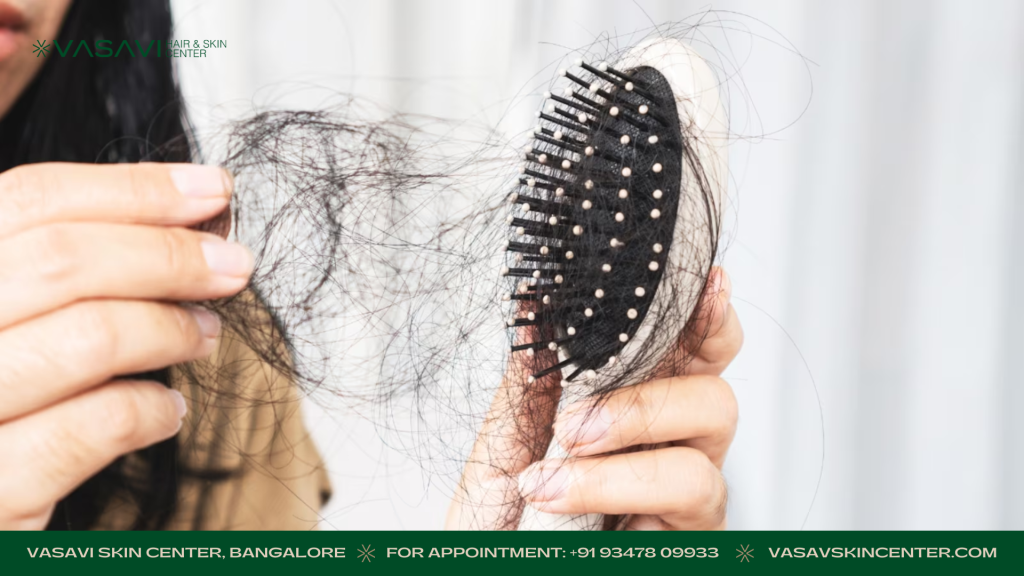
Common causes:
- Nutritional deficiencies
- Hormones
- Stress
- Harsh styling
- Medical conditions
What helps:
- Gentle hair care
- Balanced diet (protein, iron, biotin, zinc)
- Stress management
- Scalp massage (boosts circulation)
- Avoid tight styles
- Treat underlying conditions (thyroid, PCOS)
When to see a dermatologist:
Excessive shedding (>100 strands/day), bald patches, sudden hair loss.
Hair Growth Tips
Realistic expectations:
Hair grows about 0.5 inches (1.25 cm) per month. No product makes it grow significantly faster.
What supports healthy growth:
- Scalp health: Keep clean, massage regularly
- Nutrition: Protein, biotin, iron, omega-3s
- Reduce breakage: Gentle care, minimize heat
- Trim regularly: Every 8-12 weeks (removes split ends)
- Stay hydrated
Diet for Healthy Hair
Protein:
Hair is made of protein (keratin). Eat eggs, chicken, fish, lentils, beans.
Iron:
Deficiency causes hair loss. Eat spinach, red meat, lentils.
Biotin (Vitamin B7):
Supports hair growth. Found in eggs, nuts, avocados.
Omega-3 Fatty Acids:
Nourish hair. Eat salmon, walnuts, flaxseeds.
Vitamin C:
Helps iron absorption, makes collagen. Eat citrus, bell peppers.
Zinc:
Supports growth and repair. Eat pumpkin seeds, chickpeas.
Common Hair Mistakes
1. Over-washing: Strips natural oils
2. Using hot water: Dries hair out
3. Skipping conditioner: Leads to tangles and breakage
4. Brushing wet hair aggressively: Causes breakage
5. Tight hairstyles daily: Traction alopecia
6. Excessive heat styling: Permanent damage
7. Using dirty brushes/combs: Spreads oil and bacteria
8. Not trimming: Split ends travel up the shaft
Seasonal Hair Care
Summer:
- UV protection (leave-in with SPF or hats)
- Rinse after swimming (chlorine/saltwater damage)
- Extra hydration
Monsoon:
- Anti-frizz products
- Dry hair completely (prevents fungal infections)
- Weekly clarifying wash (removes humidity buildup)
Winter:
- Deep conditioning
- Oil treatments
- Reduce washing frequency
- Use humidifier indoors
Hair Care During Sleep
Use a silk or satin pillowcase:
Reduces friction, prevents breakage and frizz.
Loose braid or bun:
Keeps hair from tangling. Don’t sleep with tight styles.
Nighttime treatments:
Apply oil or serum to ends before bed.
When to See a Trichologist/Dermatologist
✓ Excessive shedding or sudden hair loss
✓ Bald patches
✓ Scalp pain, itching, or sores
✓ Severe dandruff not improving with OTC shampoos
✓ Changes in hair texture
✓ Family history of hair loss
Professional Treatments
PRP Therapy:
Stimulates hair growth. Good for thinning hair.
Hair Spa:
Deep conditioning, relaxation.
Keratin Treatment:
Smooths frizz, straightens hair (temporary, 3-6 months).
Hair Transplant:
Permanent solution for baldness.
Myths About Hair Care
Myth: Cutting hair makes it grow faster
Truth: Hair grows from roots, not ends. Trimming just removes split ends.
Myth: You should change shampoos regularly
Truth: If a product works, stick with it.
Myth: Natural oils make hair greasy
Truth: When used correctly (on lengths, not scalp), oils add shine and health.
Myth: 100 brush strokes daily makes hair healthier
Truth: Over-brushing causes breakage.
Myth: Cold water makes hair shinier
Truth: It helps, but genetics and hair care matter more.
Quick Daily Hair Care Routine
Morning:
- Detangle gently
- Style with minimal heat
- Use leave-in conditioner or serum
Night:
- Brush to distribute oils
- Loose braid if long
- Silk pillowcase
Weekly:
- Deep conditioning mask
- Oil treatment
- Scalp massage
Ready for Healthier Hair?
Great hair isn’t about luck—it’s about consistent care, the right products, and healthy habits. Book Your Hair & Scalp Consultation
Frequently Asked Questions
How often should I wash my hair?
Depends on your scalp type. Oily: daily. Normal: 2-3x/week. Dry: 1-2x/week.
Does oiling really help hair growth?
It nourishes the scalp and reduces breakage, which supports overall hair health.
How can I stop hair fall?
Gentle care, balanced diet, stress management. See a dermatologist if excessive.
Is it bad to use heat tools?
Not if used correctly: heat protectant, low settings, not daily.
Should I use conditioner on my scalp?
No, only mid-lengths to ends. Scalp application can cause greasiness.
How often should I trim my hair?
Every 8-12 weeks to remove split ends.