
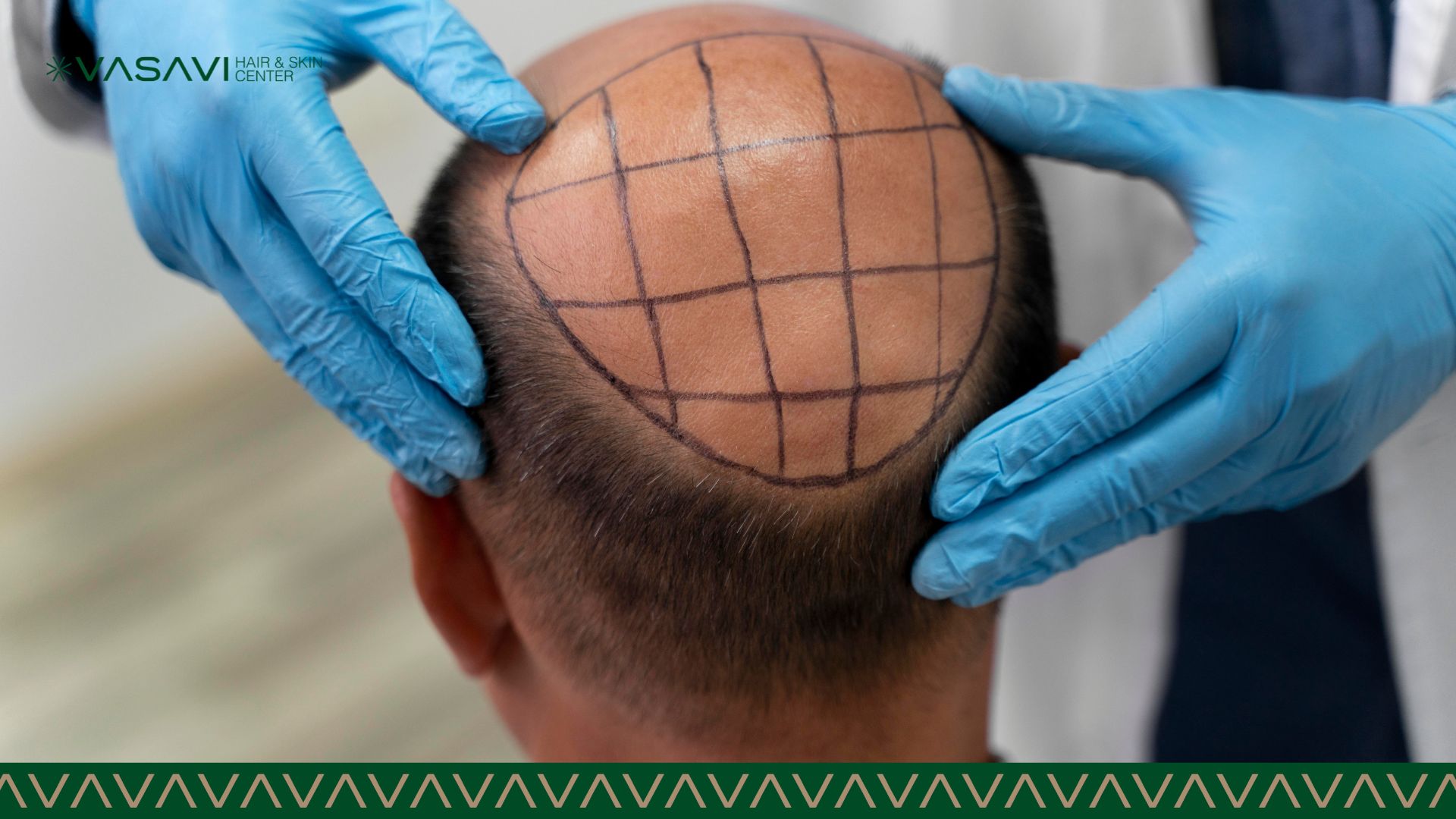
Hair loss is more than just a cosmetic issue. It affects confidence, self-image, and how you feel every single day. And while there are temporary solutions (medications, PRP therapy), sometimes you want something permanent.
That’s where hair transplantation comes in.
But if you’ve started researching, you’ve probably seen two acronyms thrown around: FUE and FUT. Both are surgical hair transplant methods that move hair from one part of your scalp (usually the back) to areas with thinning or balding.
The question is: which one’s right for you?
Let’s break it down in plain terms.
What is Hair Transplantation?
Hair transplantation is a surgical procedure that relocates healthy hair follicles from areas with dense hair growth (the “donor area,” usually the back and sides of your head) to areas with thinning or no hair (the “recipient area”).
The transplanted hair is your own natural hair. It grows permanently because the follicles are genetically resistant to balding.
Why it works:
Hair at the back of your head doesn’t usually thin out, even in advanced male pattern baldness. These “permanent zone” follicles keep growing wherever they’re moved.
The Two Main Methods: FUE vs FUT
FUE: Follicular Unit Extraction
How it works:
Individual hair follicles are extracted one by one from the donor area using a tiny punch tool (0.8-1.0mm diameter). These follicles are then implanted into the balding areas.
What it looks like:
Imagine picking individual flowers from a field rather than cutting a whole row. Tiny dot scars are left behind, but they’re barely visible.
Recovery:
Faster. Most people return to normal activities within 7-10 days.
Scar:
Tiny, dot-like scars scattered across the donor area. Virtually undetectable, even with a shaved head.
Ideal for:
- People who want to wear very short hairstyles or shave their head
- Active individuals or athletes
- Those who want minimal scarring
- Smaller procedures (touch-ups, hairline refinements)
FUT: Follicular Unit Transplantation (Strip Method)
How it works:
A strip of scalp (usually 1-1.5cm wide and 15-25cm long) is removed from the donor area. Hair follicles are then dissected from this strip under a microscope and implanted into recipient areas.
What it looks like:
Picture cutting a ribbon from the back of your head. The area is stitched closed, leaving a linear scar.
Recovery:
Slightly longer. The stitched area takes 10-14 days to heal.
Scar:
A thin, linear scar at the donor site. Usually hidden by surrounding hair, but visible if you shave your head completely.
Ideal for:
- Large-scale hair restoration (more grafts in one session)
- Those who keep longer hair that covers the scar
- People looking for maximum graft yield
- Budget-conscious patients (often slightly more affordable)
FUE vs FUT: Head-to-Head Comparison
| Factor | FUE | FUT |
|---|---|---|
| Scarring | Tiny dot scars, barely visible | Linear scar, hidden by hair |
| Recovery Time | 7-10 days | 10-14 days |
| Procedure Time | Longer (4-8 hours) | Shorter (3-5 hours) |
| Grafts per Session | 1500-3000 typically | 2000-4000+ possible |
| Discomfort | Minimal | Mild (stitches) |
| Shaved Head Friendly | Yes | No |
| Future Procedures | Easier to repeat | Limited by donor area |
| Graft Quality | Excellent | Excellent |
| Natural Results | Yes | Yes |
Which Method is Better?
Here’s the truth: neither is universally “better.” It depends on your specific situation.
Choose FUE if:
- You wear your hair very short or want that option
- You’re active and need faster recovery
- You’re concerned about visible scarring
- You only need a moderate number of grafts
Choose FUT if:
- You have significant balding and need maximum grafts
- You keep your hair longer (covers the scar easily)
- You want the most grafts in a single session
- You’re okay with a slightly longer recovery
Can’t decide?
Many people do a combination: FUT for initial major restoration (gets maximum grafts), then FUE later for touch-ups or additional density.
The Hair Transplant Process
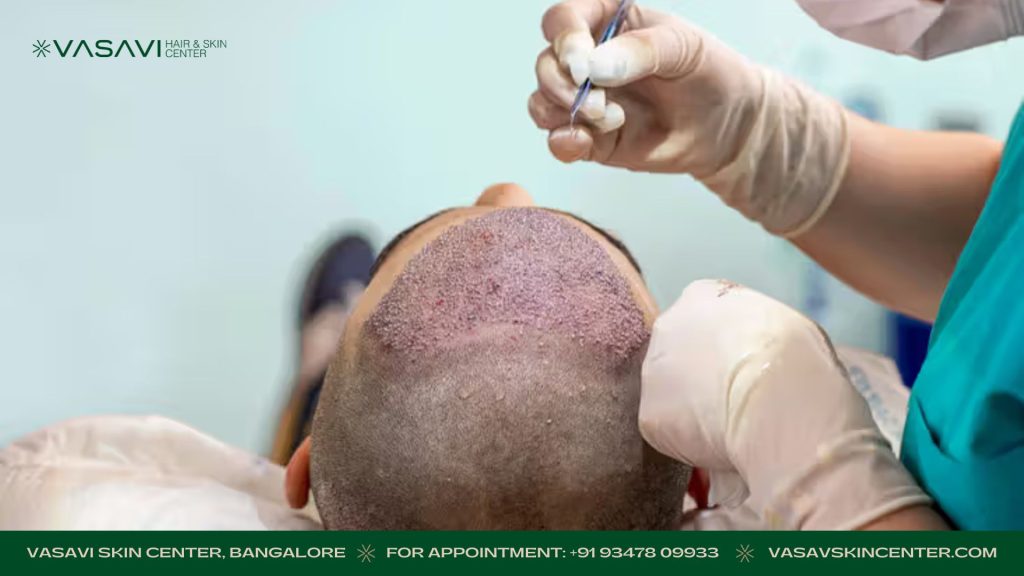
Step 1: Consultation
A dermatologist examines your scalp, discusses your goals, assesses donor area quality, and recommends FUE or FUT (or a combination).
Step 2: Preparation
On the day of surgery, the donor area is trimmed. Local anesthesia is applied—you’re awake but don’t feel pain.
Step 3: Extraction
FUE: Individual follicles extracted one by one.
FUT: Strip of scalp removed and stitched.
Step 4: Graft Preparation
Follicles are separated and prepared under a microscope (both methods).
Step 5: Implantation
Tiny incisions are made in recipient areas. Grafts are carefully placed to create a natural-looking pattern and density.
Step 6: Recovery
Post-op instructions given. Follow-up visits scheduled.
What to Expect After Surgery
First 24-48 Hours:
Some swelling and mild discomfort. You’ll look a bit red and puffy—totally normal.
Week 1:
Scabs form where grafts were placed. Don’t pick them! They’ll fall off naturally.
Week 2-3:
Transplanted hair sheds. Don’t panic—this is expected. The follicles are still alive beneath the surface.
Month 3-4:
New hair starts growing. It’ll be thin at first.
Month 6-9:
Noticeable growth and thickness.
Month 12:
Full results visible. Your new hair is permanent and continues growing naturally.
Does It Actually Work?
Yes. When done correctly by an experienced surgeon, hair transplants have a 90-95% graft survival rate.
The results are permanent because the transplanted follicles are genetically resistant to DHT (the hormone that causes male pattern baldness).
Who’s a Good Candidate?
Hair transplants work best for:
✓ Male or female pattern baldness
✓ Sufficient donor hair density
✓ Realistic expectations
✓ Good overall health
✓ Stable hair loss (not actively progressing rapidly)
Not ideal for:
1. Very young patients (hair loss pattern not established)
2. Diffuse thinning all over (poor donor area)
3. Certain medical conditions (uncontrolled diabetes, bleeding disorders)
Myths About Hair Transplants
Myth: It looks fake and obvious
Truth: When done well, results are completely natural. No one will know unless you tell them.
Myth: It’s painful
Truth: Local anesthesia means you don’t feel pain during surgery. Mild discomfort after is manageable with medication.
Myth: You can’t exercise after
Truth: You can resume light activity after a week, intense workouts after 2-3 weeks.
Myth: Hair falls out again
Truth: Transplanted hair is permanent. However, you may lose non-transplanted hair if balding progresses (which is why some people need touch-ups).
Myth: Only men need it
Truth: Women with pattern baldness, traction alopecia, or scarring benefit greatly from transplants.
Combining with Other Treatments
Hair transplant isn’t an either-or decision. Many people combine it with:
Medications (Minoxidil/Finasteride)
Preserves existing non-transplanted hair
PRP Therapy
Boosts graft survival and stimulates surrounding hair
Low-Level Laser Therapy
Supports overall scalp health
Your dermatologist will create a comprehensive plan.
Risks and Side Effects
Like any surgery, there are potential risks:
Common (temporary):
- Swelling
- Mild pain/discomfort
- Scabbing
- Shock loss (temporary shedding of surrounding hair)
Rare:
- Infection (extremely rare with proper sterile technique)
- Poor graft survival (usually due to improper aftercare)
- Unnatural-looking hairline (poor surgical technique)
Choosing an experienced, qualified dermatologic surgeon minimizes these risks significantly.
Aftercare Tips
First Week:
- Sleep with head elevated
- Avoid touching or scratching grafts
- Don’t wear tight hats
- Follow prescribed medications
First Month:
- Gentle shampooing (after 3-5 days)
- Avoid direct sun exposure
- No swimming or saunas
- No intense exercise
Long-Term:
- Protect scalp with sunscreen
- Continue any prescribed hair loss medications
- Follow-up visits to track progress
Is It Worth It?
Most patients say absolutely yes. The confidence boost and permanent results make it a worthwhile investment.
But it’s not just about looks. It’s about feeling like yourself again.
Ready to Explore Hair Restoration?
If you’re dealing with hair loss and want a permanent solution, a consultation can help you understand your options, Book Your Hair Transplant Consultation
Frequently Asked Questions
How long does a hair transplant last?
Permanently. The transplanted hair grows for life.
Can I get a hair transplant if I’m completely bald?
It depends on your donor area. If you have sufficient hair at the back/sides, yes.
Will people notice I had a transplant?
No. Results look completely natural when done correctly.
When can I return to work?
Most people take 7-10 days off, though some return sooner (depends on your job).
How many grafts do I need?
Varies widely based on balding extent. Consultation determines this.
Can women get hair transplants?
Absolutely. Women with pattern baldness or traction alopecia benefit greatly.