
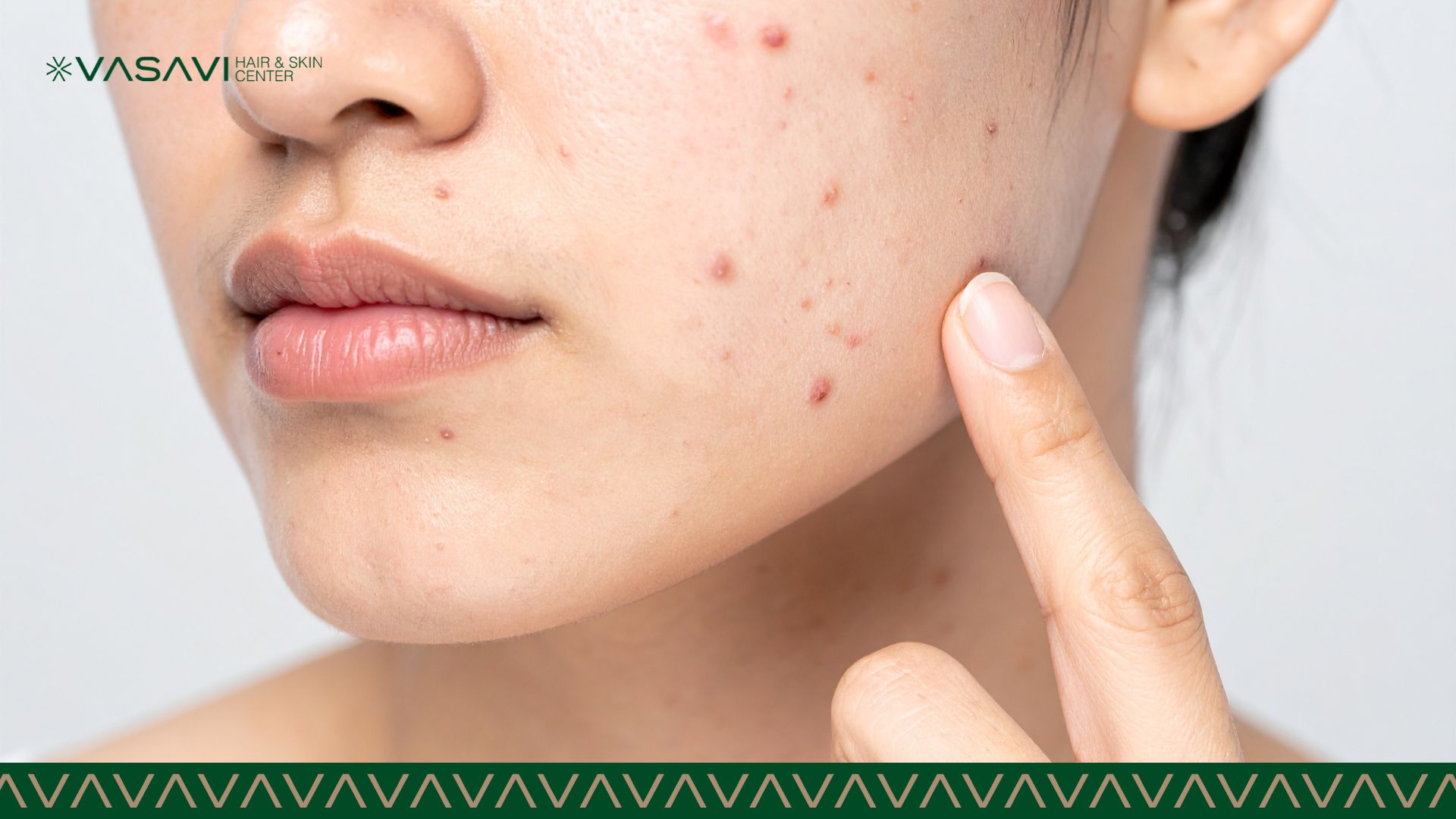
Struggling with persistent acne that refuses to go away despite trying countless products? You’re not alone. Acne affects millions of people in India, from teenagers battling hormonal breakouts to adults dealing with stress-induced pimples. The good news? With the right treatment approach from experienced dermatologists, clear skin is absolutely achievable.
We’ve helped hundreds of patients transform their skin through personalized treatment plans. This guide covers everything you need to know about acne—what causes it, the different types you might be dealing with, and the most effective professional treatments that actually work.
Understanding Acne: More Than Just Pimples
Acne isn’t simply a cosmetic concern—it’s a medical skin condition that occurs when hair follicles become clogged with oil (sebum) and dead skin cells. This creates an ideal environment for bacteria to multiply, leading to inflammation, redness, and those unwelcome breakouts.
While it’s most common during the teenage years due to hormonal changes, acne can persist well into adulthood. In fact, adult acne is increasingly common, particularly among women dealing with hormonal fluctuations, stress, and lifestyle factors.
Why Does Acne Develop?
Several factors contribute to acne development:
1. Excess Oil Production
Your skin naturally produces sebum to keep skin moisturized. However, hormonal changes, genetics, and certain conditions can trigger overproduction, leading to clogged pores.
2. Dead Skin Cell Buildup
Skin cells naturally shed, but when they don’t shed properly, they can mix with excess oil and block hair follicles.
3. Bacteria Growth
Cutibacterium acnes (formerly Propionibacterium acnes) is a bacteria that lives on everyone’s skin. When pores become blocked, these bacteria multiply rapidly, causing inflammation and infection.
4. Inflammation
Your immune system responds to the bacterial infection, triggering inflammation that results in red, swollen, painful acne lesions.
5. Hormonal Factors
Androgens (male hormones present in both men and women) increase during puberty, causing sebaceous glands to enlarge and produce more sebum. Hormonal changes during menstruation, pregnancy, or conditions like PCOS can trigger adult acne.
6. Diet and Lifestyle
While the relationship between diet and acne is still being studied, certain foods with high glycemic indexes, dairy products, and stress have been linked to acne flare-ups.
7. Environmental Factors
India’s humid climate, combined with air pollution, can exacerbate acne. Sweat, dirt, and pollutants can clog pores and worsen existing breakouts.
Types of Acne: Identifying Your Breakouts
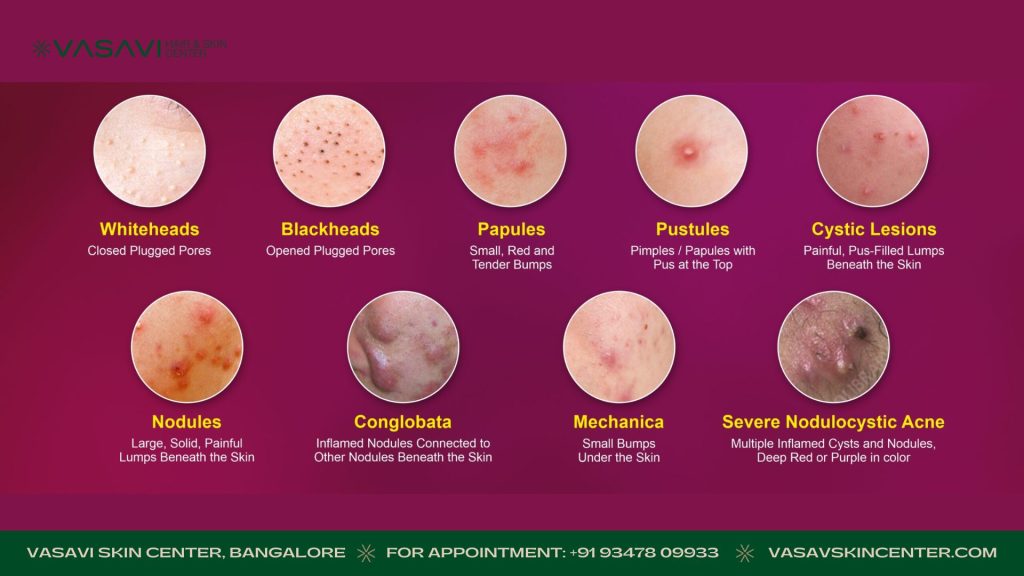
Not all acne is created equal. Understanding what type you have is crucial for effective treatment.
Non-Inflammatory Acne
Blackheads (Open Comedones)
These appear as small, dark spots on the skin’s surface. The “black” color isn’t dirt—it’s oxidized sebum and dead skin cells exposed to air.
Whiteheads (Closed Comedones)
Similar to blackheads but remain beneath the skin’s surface, appearing as small, flesh-colored bumps.
Inflammatory Acne
Papules
Small, red, tender bumps without a visible center (no pus). These occur when clogged pores become inflamed.
Pustules
Similar to papules but with a white or yellow center filled with pus. These are what most people think of as “pimples.”
Nodules
Large, painful, solid lumps beneath the skin’s surface. These develop when clogged pores damage tissues deep within the skin.
Cysts
The most severe form of acne. These are large, pus-filled lesions that look similar to boils. Cystic acne is painful and has the highest risk of causing permanent scarring.
Acne Severity Levels
Dermatologists classify acne into three severity levels:
Mild Acne
- Fewer than 20 whiteheads or blackheads
- Fewer than 15 inflamed bumps
- Less than 30 total lesions
- Can often be managed with over-the-counter products
Moderate Acne
- 20-100 whiteheads or blackheads
- 15-50 inflamed bumps
- 30-125 total lesions
- Typically requires prescription medication
Severe Acne
- Numerous nodules and cysts
- Widespread inflammation
- Significant risk of scarring
- Requires professional dermatological treatment
Common Acne Myths Debunked
Before we dive into treatments, let’s clear up some persistent myths that can actually worsen acne:
Myth: Acne is caused by dirty skin
Truth: While keeping skin clean is important, over-washing can irritate skin and worsen acne. Acne is primarily caused by internal factors like hormones and genetics, not external dirt.
Myth: Popping pimples helps them heal faster
Truth: Picking or popping acne pushes bacteria deeper into the skin, increases inflammation, and significantly raises the risk of permanent scars.
Myth: Sun exposure clears acne
Truth: While sun may temporarily dry out pimples, UV damage can actually worsen acne long-term and cause dark spots, especially on Indian skin tones.
Myth: Acne only affects teenagers
Truth: Adult acne is increasingly common, particularly among women aged 25-45.
Myth: Makeup causes acne
Truth: Non-comedogenic (won’t clog pores) makeup products are safe. However, not removing makeup properly can contribute to breakouts.
Professional Treatment Options
Over-the-counter products work fine for mild acne, but when you’re dealing with moderate to severe breakouts, you need professional-grade treatments. Here’s what we offer:
1. Medical-Grade Topical Treatments
Retinoids
Prescription-strength retinoids (like tretinoin, adapalene) are vitamin A derivatives that promote skin cell turnover, prevent pore clogging, and reduce inflammation. They’re considered the gold standard for acne treatment.
Benzoyl Peroxide
Kills acne-causing bacteria and helps remove excess oil and dead skin cells.
Topical Antibiotics
Clindamycin and erythromycin reduce bacteria and inflammation. Often combined with benzoyl peroxide for better results.
Azelaic Acid
Reduces inflammation, kills bacteria, and helps fade post-acne dark spots—particularly beneficial for Indian skin tones.
2. Oral Medications
Antibiotics
For moderate to severe inflammatory acne, oral antibiotics (doxycycline, minocycline) reduce bacteria and inflammation.
Hormonal Therapy
For women with hormonal acne, birth control pills or spironolactone can regulate hormone levels and reduce sebum production.
Isotretinoin (Accutane)
For severe, resistant cystic acne, isotretinoin is highly effective. It’s a powerful medication that requires careful monitoring but can provide long-lasting, sometimes permanent results.
3. Chemical Peels
Chemical peels use acids (salicylic acid, glycolic acid, or lactic acid) to exfoliate the top layers of skin, unclog pores, and reduce acne lesions.
Benefits:
- Reduces active acne
- Minimizes acne scars and dark spots
- Improves skin texture
- Promotes cell turnover
Treatment frequency: Every 2-4 weeks for optimal results
We customize chemical peel strength and type based on your skin type, severity, and sensitivity—especially important for Indian skin tones which are more prone to post-inflammatory hyperpigmentation.
4. Laser and Light Therapies
Blue Light Therapy
Targets and destroys acne-causing bacteria without damaging skin.
Red Light Therapy
Reduces inflammation and promotes healing.
Laser Resurfacing
For acne scars, fractional lasers create micro-wounds that stimulate collagen production and skin remodeling.
5. Extraction Procedures
Professional extraction of blackheads and whiteheads using sterile tools prevents the risk of infection and scarring associated with at-home popping.
6. Cortisone Injections
For large, painful cystic acne, a diluted cortisone injection can rapidly reduce inflammation and size within 24-48 hours.
Treating Acne Scars
Even after acne clears, scars can remain. We offer several treatments for acne scar reduction:
Microneedling
Creates controlled micro-injuries that stimulate collagen and elastin production.
Laser Scar Revision
Fractional CO2 or Erbium lasers resurface skin and improve scar appearance.
Dermal Fillers
For atrophic (depressed) scars, hyaluronic acid fillers can temporarily plump the area.
Chemical Peels
Regular peels improve superficial scarring and skin texture over time.
Subcision
For deep, tethered scars, this surgical technique releases fibrous bands pulling skin downward.
Our Approach to Acne Treatment
What makes our treatment different? We don’t believe in one-size-fits-all solutions. Every patient gets a personalized plan that addresses the root causes, not just surface symptoms.
How We Treat Acne
Step 1: Comprehensive Consultation
Dr. Ch. Sree Vasavi (MBBS, MD, DVL) will evaluate your skin type, acne severity, scarring, and medical history.
Step 2: Customized Treatment Plan
Based on your specific needs, we’ll create a multi-faceted approach combining:
- Prescription medications (topical and/or oral)
- Professional treatments (peels, lasers, etc.)
- Medical-grade skincare routine
- Lifestyle and dietary recommendations
Step 3: Regular Monitoring
Acne treatment requires patience and adjustments. We schedule follow-up appointments every 4-6 weeks to track progress and modify treatment as needed.
Step 4: Scar Prevention & Treatment
Throughout your acne treatment, we focus on preventing scars. If existing scars are present, we’ll incorporate scar treatment into your plan.
Step 5: Long-Term Maintenance
Once acne is controlled, we develop a maintenance plan to prevent future breakouts and keep your skin healthy long-term.
Your Daily Skincare Routine
Professional treatment is critical, but what you do at home also matters. Here’s a simple routine that works:
Morning
- Gentle Cleanser
Use a mild, pH-balanced cleanser. Avoid harsh scrubs that can irritate skin. - Prescribed Topical Treatment
Apply any prescribed acne medication to clean, dry skin. - Oil-Free Moisturizer
Yes, even oily skin needs hydration! Skipping moisturizer makes skin produce more oil. - Sunscreen (SPF 50+)
Non-negotiable. Many acne treatments increase sun sensitivity, and UV exposure can worsen dark spots.
Night
- Double Cleanse
First with oil-based cleanser (if wearing makeup/sunscreen), then with water-based cleanser. - Prescribed Treatment
Apply retinoids or other nighttime medications. - Moisturizer
Lightweight, non-comedogenic formula.
Weekly
- Gentle Exfoliation (1-2x per week)
Use a chemical exfoliant (AHA/BHA) rather than physical scrubs.
Lifestyle Changes That Help
What You Eat
Everyone’s different, but these changes help many of our patients:
- Reducing high-glycemic foods (white bread, sugary snacks)
- Limiting dairy consumption
- Increasing omega-3 fatty acids (fish, walnuts)
- Staying hydrated (2-3 liters water daily)
Managing Stress
Stress really does affect your skin. When cortisol levels spike, acne often follows. Here’s what helps:
- Regular exercise
- Adequate sleep (7-9 hours)
- Meditation or yoga
- Hobbies and relaxation time
Dealing with Bangalore’s Climate
Bangalore’s humidity and pollution don’t exactly help acne. Protect your skin:
- Cleanse face immediately after outdoor exposure
- Use antioxidant serums (vitamin C) to combat pollution
- Keep hair (which collects oil and pollution) off your face
- Change pillowcases regularly
When You Should See a Dermatologist
Book an appointment if:
✓ Over-the-counter products haven’t improved your acne after 8-12 weeks
✓ You have moderate to severe acne
✓ Acne is leaving scars or dark spots
✓ Acne is affecting your self-confidence or mental health
✓ You have painful cysts or nodules
✓ Adult acne has suddenly appeared or worsened
Why Our Patients See Real Results
Expert Care for Indian Skin
Dr. Ch. Sree Vasavi has treated thousands of acne cases and understands the unique challenges of Indian skin types and Bangalore’s humid climate.
Latest Treatment Technology
From medical-grade chemical peels to advanced laser systems, we invest in proven technology that delivers results.
Truly Personalized Plans
No cookie-cutter solutions here. Your treatment plan is built specifically for your skin type, severity, and lifestyle.
Track Record You Can Trust
258+ patients have rated us 4.8/5 stars. Our transformations speak for themselves.
Long-Term Skin Health
We don’t just clear acne—we prevent scars, fade dark spots, and set you up for healthy skin that lasts.
Frequently Asked Questions
How long does it take to see results from acne treatment?
Mild acne may improve in 4-8 weeks, while moderate to severe cases typically show significant improvement in 3-6 months. Patience and consistency are key—acne treatment is a marathon, not a sprint.
Is acne treatment painful?
Most treatments are well-tolerated. Chemical peels may cause mild tingling, and extractions mild discomfort. We prioritize your comfort throughout all procedures.
Will my acne come back after treatment?
With a proper maintenance routine and lifestyle management, many patients maintain clear skin long-term. Some may need occasional maintenance treatments.
Can acne scars be completely removed?
While complete removal isn’t always possible, modern treatments can significantly improve scar appearance by 50-90%, depending on scar type and severity.
How much does acne treatment cost?
Cost varies depending on your specific condition and treatment plan. Book a consultation for personalized pricing.
Is acne treatment safe for sensitive Indian skin?
Absolutely. Dr. Vasavi specializes in treating Indian skin types and adjusts treatment strengths and methods to prevent irritation and pigmentation issues.