
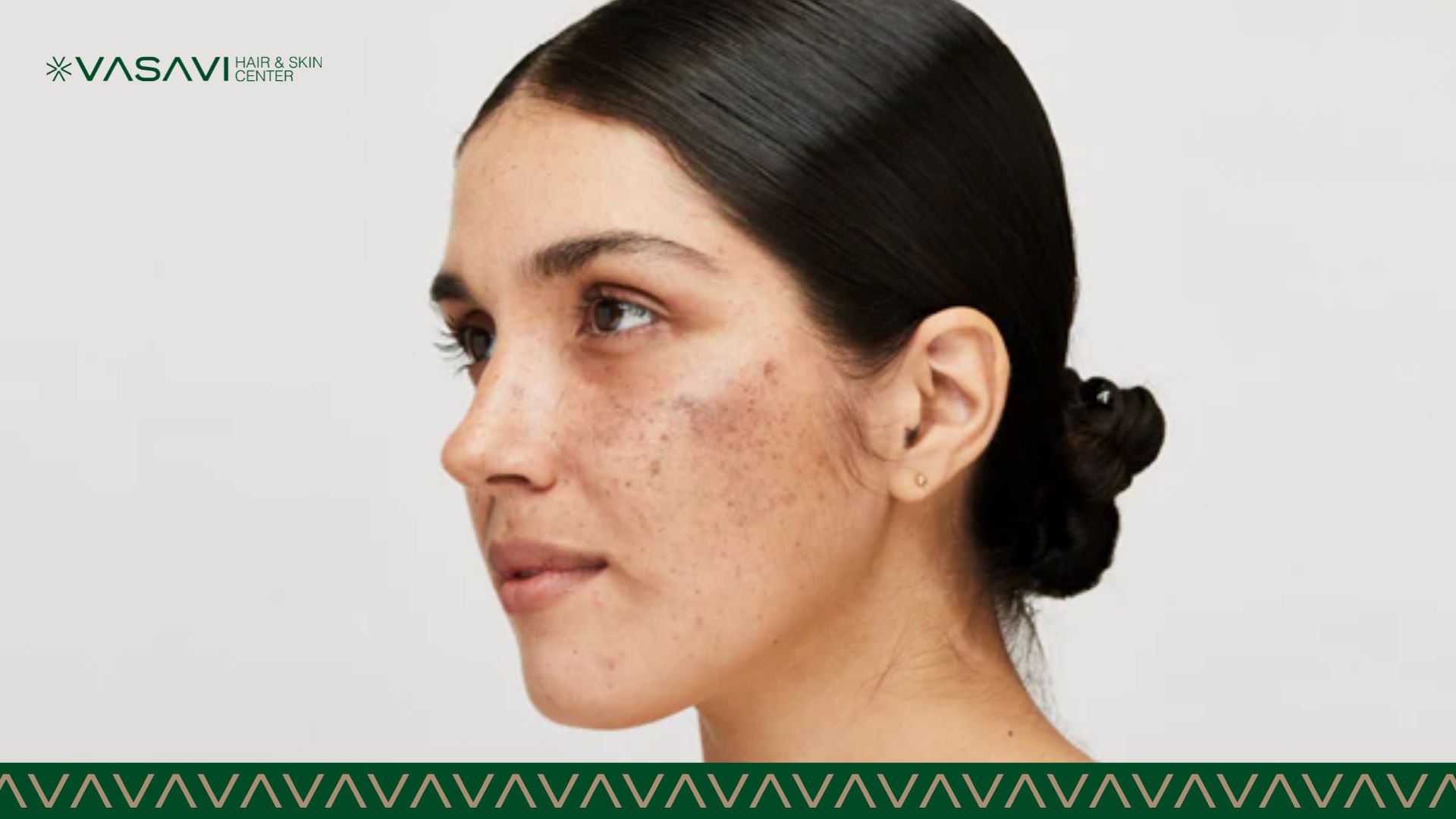
Dark spots. Uneven skin tone. Melasma. Post-acne marks.
If you have Indian skin, you know pigmentation issues are frustratingly common. One pimple can leave a dark mark that lingers for months. Sun exposure creates stubborn brown patches. Hormonal changes trigger melasma that refuses to fade.
But here’s the thing: pigmentation is treatable. With the right approach—and understanding how Indian skin responds to treatment—you can achieve clearer, more even-toned skin.
Why Indian Skin Gets Pigmentation Easily
Indian skin has higher melanin content (Fitzpatrick skin types IV-V). While this gives us natural sun protection and helps us age slower, it also makes us prone to post-inflammatory hyperpigmentation (PIH).
Translation: anything that irritates your skin—acne, cuts, burns, harsh products—can trigger excess melanin production, leaving dark marks.
Common triggers:
- Acne and breakouts
- Sun exposure
- Hormonal changes (pregnancy, birth control)
- Inflammation or injury
- Certain medications
- Harsh skincare products
Types of Pigmentation
Melasma
Brown or gray-brown patches, usually on cheeks, forehead, nose, upper lip. Triggered by hormones and sun exposure. More common in women.
Post-Inflammatory Hyperpigmentation (PIH)
Dark spots left after acne, injuries, or skin inflammation. Can affect anyone.
Sun Spots (Solar Lentigines)
Flat brown spots from cumulative sun damage. Common on face, hands, arms.
Freckles
Small, light brown spots. Genetic and worsen with sun exposure.
Dark Circles
Pigmentation under eyes. Can be genetic, lifestyle-related, or due to thin skin showing blood vessels.
What Causes Pigmentation?
Sun Exposure
UV rays trigger melanin production. The #1 cause of pigmentation.
Hormones
Pregnancy, birth control pills, thyroid issues can trigger melasma.
Inflammation
Acne, eczema, injuries leave dark marks.
Genetics
Some people are simply more prone to pigmentation.
Age
Cumulative sun damage shows up as we get older.
Medications
Some antibiotics, chemotherapy drugs, and anti-seizure medications increase pigmentation risk.
Treatment Options for Pigmentation
Topical Treatments
Hydroquinone (2-4%)
The gold standard for pigmentation. Inhibits melanin production. Requires medical supervision for higher concentrations.
Tretinoin (Retinoids)
Increases cell turnover, fades dark spots over time. Also anti-aging bonus.
Vitamin C
Brightens skin, inhibits melanin, protects from sun damage.
Niacinamide
Reduces melanin transfer to skin cells. Gentle and effective.
Azelaic Acid
Treats acne AND pigmentation. Great for sensitive skin.
Kojic Acid
Natural skin lightener. Often combined with other treatments.
Alpha Arbutin
Gentler alternative to hydroquinone. Brightens gradually.
Professional Treatments
Chemical Peels
Remove pigmented skin layers. Glycolic, salicylic, or mandelic acid peels work well for Indian skin when done correctly.
Laser Treatments
- Q-Switched Nd:YAG Laser: Targets deep pigmentation
- Fractional Lasers: Resurface skin, even out tone
- IPL (Intense Pulsed Light): Treats sun damage and brown spots
Important: Lasers on Indian skin require expertise to avoid worsening pigmentation.
Microneedling
Creates micro-injuries that boost skin renewal and allow better product penetration.
Microdermabrasion
Gentle exfoliation for superficial pigmentation.
Combination Therapy
Best results come from combining treatments:
- Topical creams + Chemical peels
- Laser + Post-treatment lightening creams
- Professional treatments + Home care routine
Treatment Timeline: What’s Realistic?
Weeks 1-4:
Minimal visible change. Products are working beneath the surface.
Weeks 4-8:
Gradual lightening begins. Dark spots start fading.
Weeks 8-12:
Noticeable improvement. Skin tone more even.
3-6 Months:
Significant fading of pigmentation. Continued maintenance needed.
Pigmentation treatment requires patience. Quick fixes don’t exist.
Special Considerations for Indian Skin
Risk of Worsening Pigmentation
Aggressive treatments can trigger more melanin production. Always choose a dermatologist experienced with darker skin tones.
Sun Protection is Non-Negotiable
Indian skin needs SPF 50+ daily, even indoors. UV exposure undoes ALL treatment progress.
Gentler is Often Better
Lower concentrations, gradual treatments, proper skin prep minimize PIH risk.
Patch Testing
Always patch test new products. Indian skin can be sensitive.
Your Pigmentation-Fighting Routine
Morning
- Gentle cleanser
- Vitamin C serum
- Niacinamide serum (optional)
- Moisturizer
- SPF 50+ sunscreen (reapply every 2 hours if outdoors)
Night
- Gentle cleanser
- Prescription treatment (hydroquinone, tretinoin—if prescribed)
- Moisturizer
Weekly
- Gentle exfoliation (2x per week)
- Brightening face mask (1x per week)
Prevention: Stop Pigmentation Before It Starts
Sunscreen Every Single Day
This cannot be overstated. SPF 50+ broad-spectrum, reapply every 2 hours in sun.
Treat Acne Quickly
The faster you treat breakouts, the less likely they’ll leave dark marks.
Don’t Pick or Scratch
Inflammation = pigmentation. Leave pimples alone.
Gentle Skincare
Harsh scrubs and products irritate skin and trigger melanin production.
Antioxidants
Vitamin C, niacinamide, green tea protect against environmental damage.
Foods That Help
Vitamin C-Rich Foods:
Oranges, berries, bell peppers, broccoli
Antioxidant-Rich Foods:
Green tea, dark chocolate, tomatoes
Vitamin E:
Nuts, seeds, avocados
Omega-3 Fatty Acids:
Fish, flaxseeds, walnuts
Stay Hydrated:
2-3 liters of water daily
When to See a Dermatologist
✓ Pigmentation that won’t fade with over-the-counter products
✓ Rapidly appearing dark spots
✓ Melasma that’s spreading
✓ Dark spots after medical treatments
✓ Unsure what type of pigmentation you have
✓ Want professional treatments
A dermatologist can diagnose the exact type, rule out underlying conditions, and create a customized treatment plan.
What NOT to Do
1. Skip sunscreen (destroys all progress)
2. Use lemon juice or home remedies (can cause burns and worsen pigmentation)
3. Over-exfoliate (causes inflammation)
4. Expect overnight results (pigmentation takes months to fade)
5. Use bleaching creams without medical supervision (dangerous)
Melasma: The Stubborn One
Melasma deserves special mention. It’s hormonal, triggered by sun, and notoriously stubborn.
Treatment approach:
- Strict sun protection (SPF 50+, hats, shade)
- Triple combination cream (hydroquinone + tretinoin + steroid)
- Chemical peels every 3-4 weeks
- Oral tranexamic acid (in some cases)
- Maintenance forever (it can come back)
Melasma requires long-term commitment.
Post-Acne Dark Spots
These are PIH—different from actual scars.
Treatment:
- Alpha arbutin or niacinamide serums
- Gentle exfoliation (salicylic acid)
- Vitamin C
- Chemical peels (for faster results)
- Patience (they fade in 6-12 months with treatment)
Dark Circles
If caused by pigmentation (not shadows or blood vessels):
Treatment:
- Vitamin C eye cream
- Retinol eye cream (start slowly)
- Under-eye peels (only by professionals)
- Laser treatments (for stubborn cases)
Often requires combination of treatments + lifestyle changes (sleep, hydration).
Can Pigmentation Come Back?
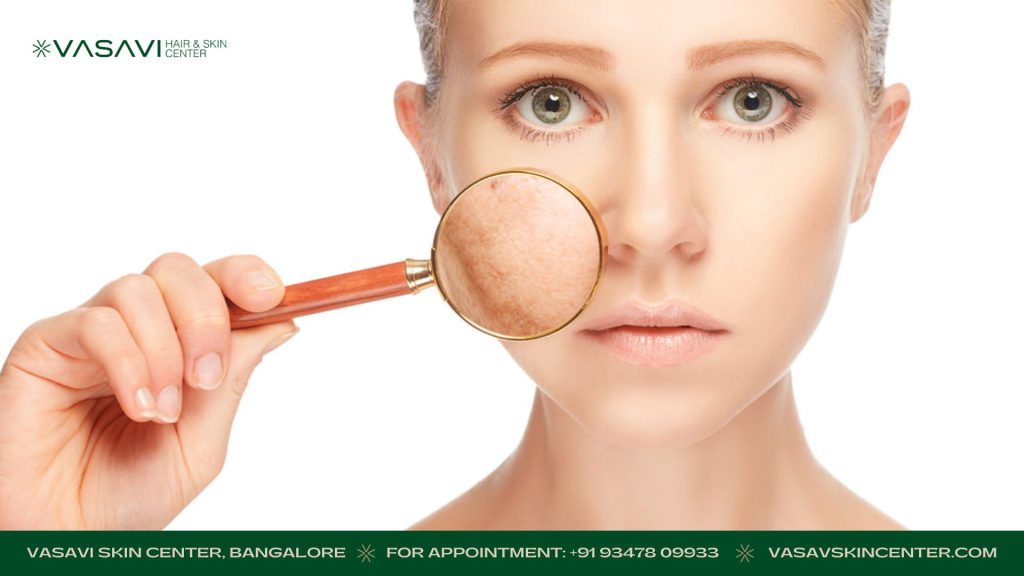
Yes, if you:
- Stop sun protection
- Experience hormonal changes
- Get new acne or skin injuries
- Stop maintenance treatments
Pigmentation requires ongoing prevention, not just a one-time fix.
Ready for Even-Toned Skin?
Pigmentation is frustrating, but it’s treatable. The key is patience, sun protection, and the right treatment plan for YOUR specific type and skin tone and Book Your Pigmentation Consultation
Frequently Asked Questions
How long does it take to fade pigmentation?
3-6 months minimum for noticeable fading. Melasma can take longer.
Can pigmentation be removed permanently?
With treatment and sun protection, yes. But new spots can form if you don’t prevent them.
Is hydroquinone safe for Indian skin?
Yes, when used under medical supervision for limited periods.
Why is my pigmentation getting darker?
Sun exposure, hormonal changes, or using the wrong products can worsen it.
Do I need professional treatments or can I use creams?
Mild pigmentation: creams may work. Moderate to severe: professional treatments speed results significantly.
Can I use vitamin C and retinol together?
Yes, but use vitamin C in the morning, retinol at night.